
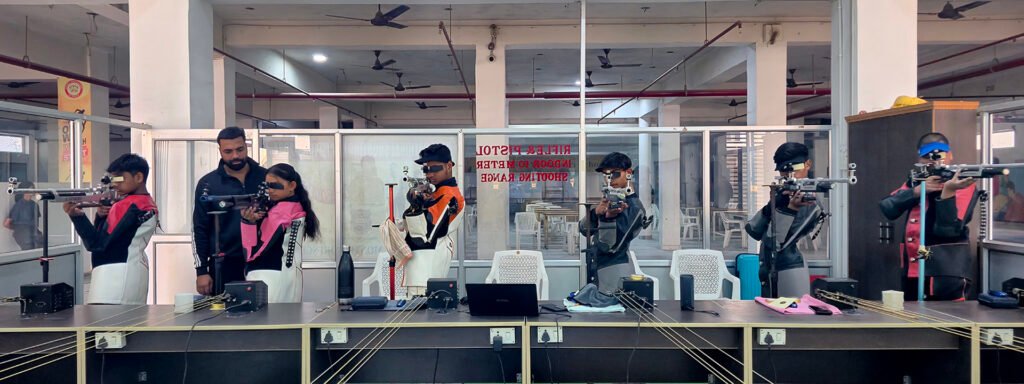
In the world of shooting sports, precision is everything. A single millimetre can be the difference between victory and defeat. While spectators often see only the final shot, the real story lies in the hours of disciplined training, mental conditioning, and consistent effort that a professional shooter puts in every single day. A structured daily routine is the backbone of this success, helping shooters maintain accuracy, composure, and confidence under all conditions.
Early Morning: Building the Foundation
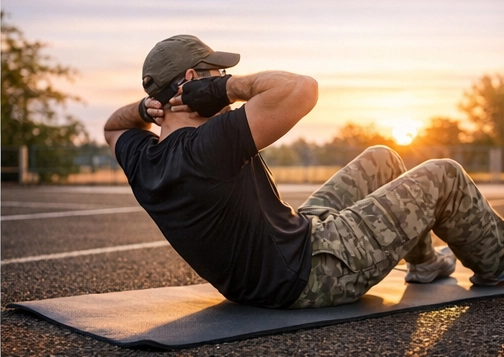
A professional shooter’s day usually begins early. The morning hours are considered the most productive for building both physical and mental strength. Although shooting may appear to be a stationary sport, it requires a high level of physical fitness. Stability, balance, and endurance play a crucial role in maintaining a steady aim.
The day often starts with light exercises such as stretching, jogging, or yoga. Stretching helps in improving flexibility and reducing the risk of muscle stiffness. Many shooters include core-strengthening exercises in their routine, as a strong core supports proper posture during long shooting sessions. Even simple breathing exercises in the morning can help regulate the body and prepare the mind for focused practice.
Mental Conditioning: Training the Mind
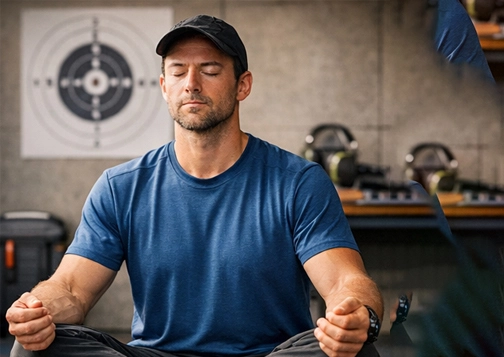
Shooting is often described as a mental game. The ability to remain calm, focused, and confident under pressure is what separates a good shooter from a great one. That is why mental conditioning is an essential part of a professional shooter’s daily routine.
Meditation is commonly practiced to improve concentration and reduce stress. Controlled breathing techniques help in stabilizing the body and maintaining a steady aim. Visualization is another powerful method used by professionals. In this process, shooters mentally rehearse perfect shots, imagining the alignment, trigger press, and impact. This mental practice builds confidence and strengthens focus even before stepping onto the range.
Equipment Preparation: Attention to Detail
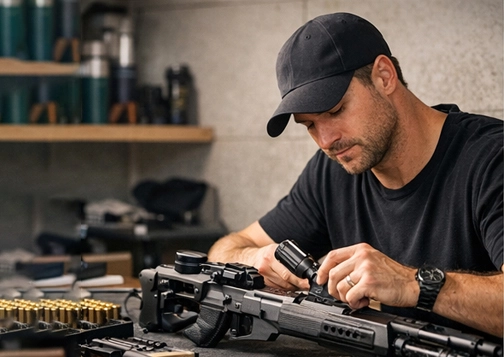
Before beginning live practice, shooters dedicate time to checking and preparing their equipment. Every detail matters. Firearms are carefully cleaned and maintained to ensure consistent performance. Sights are adjusted, ammunition is inspected, and all gear is organized properly.
This routine not only prevents technical issues but also builds a sense of discipline and familiarity with the equipment. When a shooter trusts their gear completely, it becomes easier to focus on performance rather than worrying about possible malfunctions.
Dry Practice: Perfecting Technique
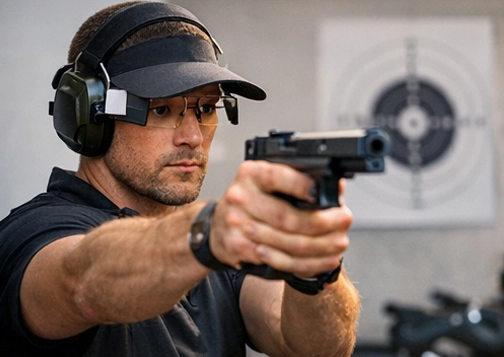
Dry practice, also known as dry firing, is one of the most effective training methods in shooting. It involves practising without live ammunition, allowing shooters to focus entirely on technique.
During dry practice, professionals work on their stance, grip, breathing control, and trigger movement. Since there is no recoil or noise, it becomes easier to identify and correct mistakes. This phase helps in building muscle memory, ensuring that every movement becomes natural and consistent.
Dry practice is often repeated multiple times a day, as it is safe, cost-effective, and highly beneficial for improving accuracy.
Range Time: The Core of Training
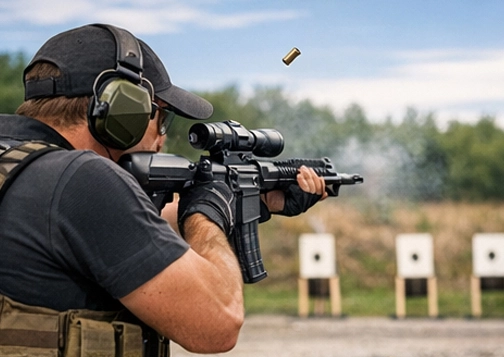
The most important part of a shooter’s day is the time spent at the shooting range. This is where all the preparation comes together. Professional shooters do not simply fire shots randomly; their practice sessions are highly structured and goal-oriented.
Training at the range usually includes different types of drills. Precision shooting is focused on achieving tight groupings and improving accuracy. Timed drills are designed to enhance speed and control, especially for competitive formats. Some sessions are conducted in a competition-like environment to simulate real match pressure.
Consistency is the key focus during these sessions. Instead of aiming for a single perfect shot, shooters work towards achieving a series of consistent shots. This ability to perform repeatedly under similar conditions is what defines professional-level performance.
Breaks and Recovery: Maintaining Balance
Continuous focus can be mentally exhausting. Professional shooters understand the importance of taking regular breaks during practice sessions. Short breaks help in resetting the mind and preventing fatigue from affecting performance.
Hydration and nutrition also play an important role. A balanced diet supports energy levels and concentration, while proper hydration ensures physical stability. Some shooters prefer light snacks between sessions to maintain their energy throughout the day.
Rest is not a sign of weakness; it is a necessary part of effective training.
Performance Analysis: Learning from Every Shot
After completing their practice, shooters spend time analyzing their performance. This step is crucial for long-term improvement. Instead of ignoring mistakes, professionals carefully study them.
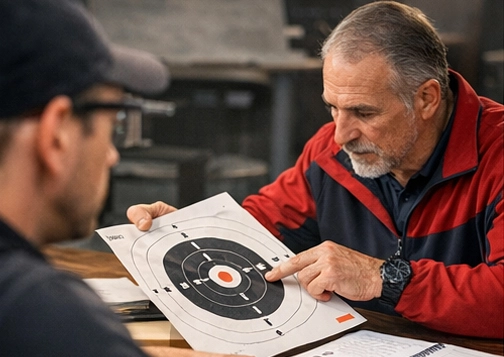
They observe shot groupings, identify patterns, and try to understand the reasons behind any inconsistencies. Many shooters maintain a training diary where they record details such as the number of shots fired, conditions, errors, and improvements. This habit helps in tracking progress over time and making informed adjustments to the training routine.
Coaches often play an important role during this stage by providing feedback and guidance. Even experienced shooters rely on external observation to refine their techniques.
Evening Routine: Light Training and Reflection
The day does not end with range practice. In the evening, shooters often engage in light physical activity or relaxation exercises. Stretching helps in reducing muscle tension and preparing the body for the next day.
Mental training may also continue in the form of visualization or reviewing past performances. Some shooters watch recordings of their practice sessions or competitions to analyze their body posture and technique. This reflection helps in reinforcing good habits and eliminating errors.
The evening is also a time to reset mentally. A calm and focused mind is essential for consistent performance, and proper relaxation ensures readiness for the next day.
Discipline and Consistency: The Real Secret
What truly sets professional shooters apart is not just their skill but their discipline. Following a routine every day requires dedication and commitment. There are no shortcuts in shooting sports. Improvement comes from repeating the basics, refining techniques, and staying patient through the process.
Consistency is more important than intensity. Even small improvements, when practiced daily, lead to significant progress over time. Professional shooters understand that success is built step by step, through continuous effort and self-control.
Adapting to Challenges
No two days are the same. External factors such as weather, lighting, and physical condition can affect performance. Professional shooters learn to adapt to these challenges. They train under different conditions to prepare themselves for real competitions.
Mental strength plays a key role in handling setbacks. A bad day at the range is seen as an opportunity to learn rather than a failure. This positive mindset helps shooters stay motivated and focused on long-term goals.
Conclusion
The daily training routine of a professional shooter is a perfect blend of physical preparation, technical practice, and mental conditioning. It is a disciplined process that demands patience, focus, and continuous improvement.
From early morning exercises to evening reflection, every step in the routine has a purpose. Each session builds on the previous one, creating a strong foundation for consistent performance. Shooting is not just about hitting the target; it is about mastering control over the body and mind.
For anyone aspiring to become a professional shooter, understanding and following such a routine is essential. With dedication, persistence, and the right approach, excellence in shooting is not just a goal—it becomes a habit.